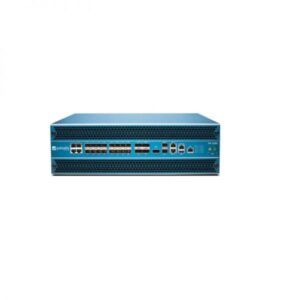


 Fast & Secure




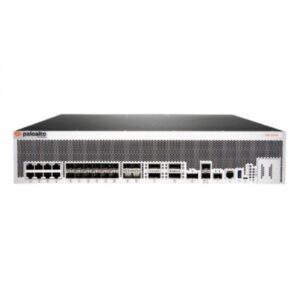
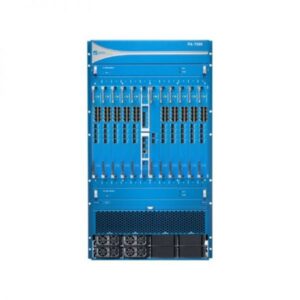
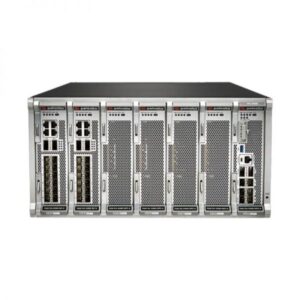
PA-7500
The Palo Alto PA-7500 offers a robust, high-performance solution for advanced security needs, built to protect enterprise networks from the most sophisticated cyber threats. With its superior processing power, impressive scalability, and feature-rich design, the PA-7500 ensures comprehensive defense and seamless network operations. Perfect for large organizations and data centers requiring high throughput and low latency, the PA-7500 safeguards your critical assets with unmatched reliability and efficiency.
Quick Spec
| Brand | Palo Alto |
| Model | PA-7500 |
| Firewall Throughput | 120 Gbps |
| Threat Prevention Throughput | 100 Gbps |
| Max Concurrent Sessions | 64 million |
Product Features
- ● High-efficiency hardware architecture with dedicated processing and memory for networking, security, and management.
- ● Scalable design supporting high-density firewall deployments.
- ● Comprehensive threat intelligence integration for real-time protection.
- ● Advanced URL filtering to block malicious web content and command-and-control traffic.
- ● Flexible deployment options for on-premises and cloud environments.
Product Applications
- ● Data Centers: Protects high-capacity data centers with low latency and high throughput, ensuring minimal disruption in services.
- ● Enterprise Networks: Secures large-scale enterprise networks with a high number of concurrent sessions and robust threat prevention capabilities.
- ● Service Providers: Offers scalable security solutions for service providers managing critical infrastructure, ensuring integrity and reliability.
Supported Options
| Redundant Power Supply | PWR-3000-AC |
| Professional Rack Mount Kit | RMK-7500-KIT |
| Support Renewal | SUP-RNW-7500-1YR |
Compare to Similar Items
| Model | Differences |
| Palo Alto PA-5200 | Lower throughput, fewer concurrent sessions, suitable for mid-sized networks. |
| Palo Alto PA-7000 | Slightly less powerful version with lower threat prevention throughput and session capacities. |
| Checkpoint 26000 | Competing model with comparable throughputs but differing software features and ecosystem. |