
-
Call for Price
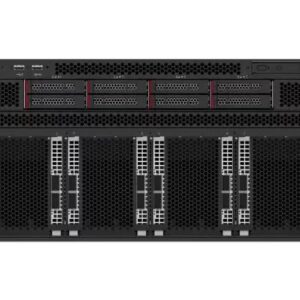
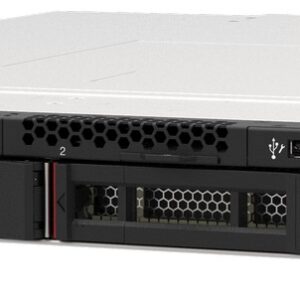
Lenovo ThinkSystem SR650a V4 and SR650i V4 Servers
Call for Price
-
-
-
-
-
-
-
-
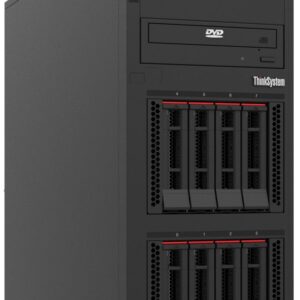
Lenovo ThinkSystem ST250 V3 Server
Detail :Single-socket tower server with Intel Xeon 6300/E-2400 processors, up to 128GB DDR5 ECC memory, flexible SAS/SATA/NVMe storage, hardware RAID, PCIe expansion, and Lenovo XClarity management.
Condition : Brand New
Models :
Call for Price
Lenovo ThinkSystem ST250 V3 Server
Call for Price
-
-
-
Frequently Asked Questions
The most common types include web servers, file servers, database servers, mail servers, application servers, and virtual servers.
Servers are built for 24/7 operation, higher performance, large storage, multiple processors, and advanced networking, unlike regular desktop PCs
Rack servers are mounted in racks for data centers. Blade servers are modular, saving space and power. Tower servers look like desktops and are common for small businesses.
Key factors include CPU performance, memory capacity, storage type (HDD/SSD), scalability, redundancy, power efficiency, and vendor support.
Yes, many businesses still use physical servers for security, compliance, or performance, while others adopt hybrid setups with both cloud and on-premise servers.