
Storage Price & Data Storage Solutions
Data storage is a critical foundation of modern IT infrastructure, enabling businesses to securely store, manage, and access information efficiently. From small office environments to large enterprise data centers, the right storage solution ensures high performance, scalability, and data protection across applications and users.
When comparing storage price, costs vary depending on the type of storage, capacity, speed, redundancy, and intended workload. Storage price typically starts from around USD $80 for basic HDD or entry-level SSD options suitable for light workloads and backup tasks. Mid-range business storage solutions, such as high-capacity SSDs and small NAS systems, generally range between USD $300 and USD $2,500, offering improved performance, reliability, and centralized data access. Enterprise-grade storage systems, including SAN and high-performance NAS solutions, can range from USD $5,000 to over USD $50,000, depending on capacity, throughput, and advanced data management features.
Businesses choose modern storage solutions to improve data availability, enhance system performance, and ensure business continuity. Storage systems support critical functions such as virtualization, database management, cloud integration, and disaster recovery while scaling as data requirements grow.
At Netseg, you can buy storage solutions that meet a wide range of business and enterprise needs, including HDDs, SSDs, NAS, and SAN storage systems. We offer competitive pricing, genuine products, and fast worldwide shipping to help you build a secure and efficient data storage infrastructure.
-
Call for Price
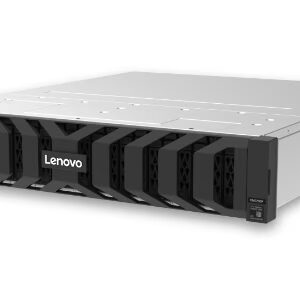
Lenovo ThinkSystem DS5200 All-Flash Array
Call for Price
-
Call for Price
Lenovo ThinkSystem DS5200C All-Flash Array
Call for Price
-
Call for Price
Lenovo ThinkSystem DS7200 All-Flash Array
Call for Price
-
-
-
-
Call for Price
Lenovo ThinkSystem DM5200Fand DM7200F Unified Storage Arrays
Call for Price
-
-

-
-
-